by
Hannah Farber
| Jun 23, 2026
In October, when Peter Sheppard brought home his first Highland cattle, he learned quickly what he didn't know.
"Getting cattle in October is a terrible time," he says. "You figure out what you don't know in a hurry."
He'd had two pastures on the family property, both overgrown in briars and weeds, and no usable fence around either one of them. He had no water system. A bull named Legend, who solved the fence problem by putting his head down into the wire until it was low enough to step over. Eight cows. And no particular playbook for any of it.
That was 50 years ago.
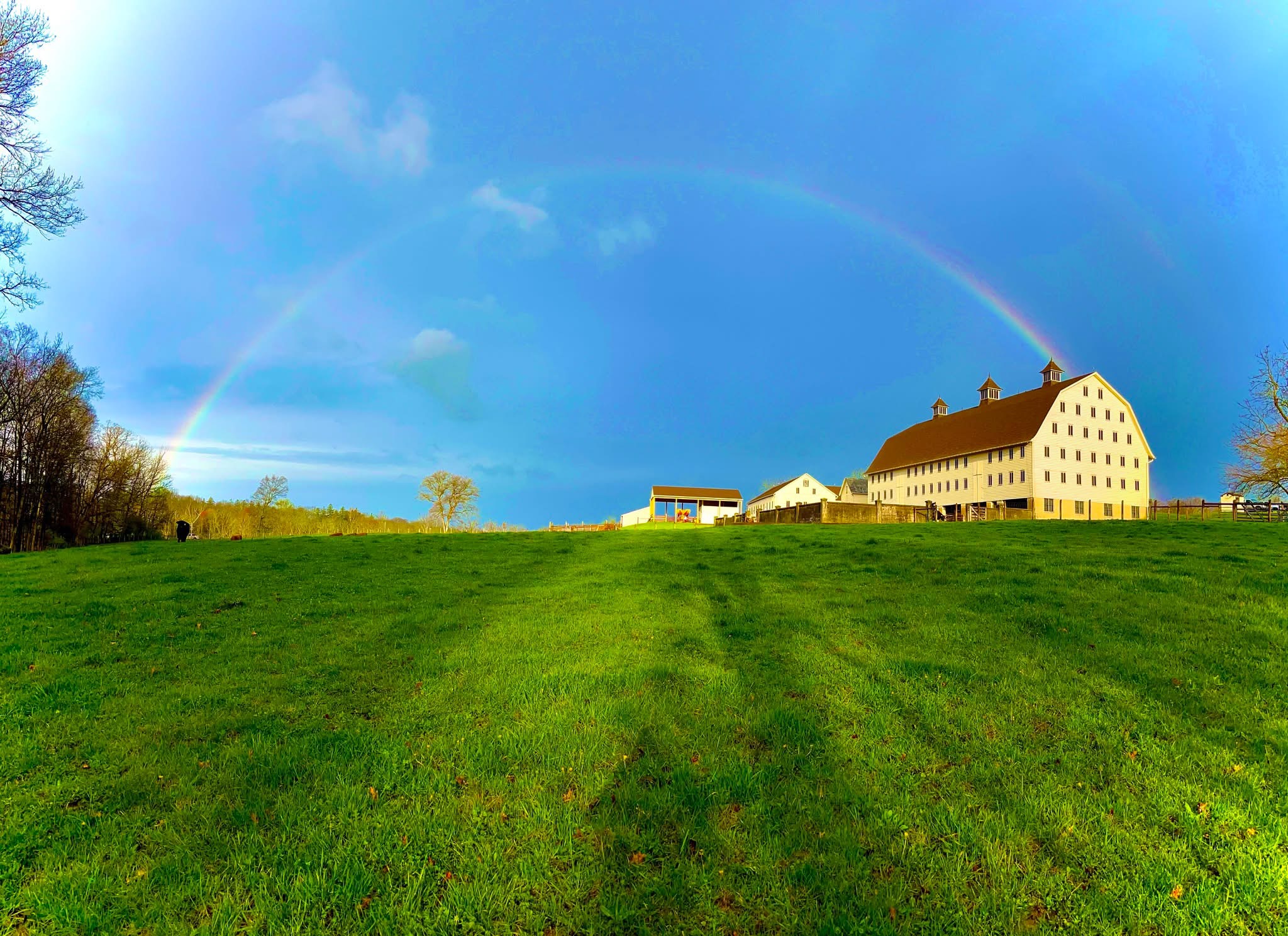
Sheppard Farm on Apple Hill in Hanover, Pennsylvania is celebrating its 50th anniversary this year, and the land itself has been in Peter's family for over a century. His grandfather started buying in the Hanover area. Peter came back after college, looked at the unused pasture, and decided to do something with it. He looked at a lot of breeds before settling on Highlands.
"They had cute faces," he says.
The registration numbers on those early cattle were in the 8,000 to 9,000 range. There were only three Highland herds in all of Pennsylvania when Peter started. Today, the numbers run into the 60,000s.
A Father, a Daughter, and The Next Generation
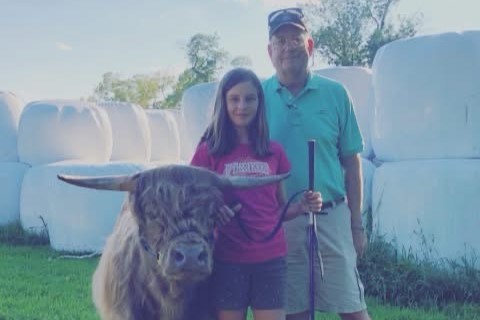
Heather Sheppard-Lunn grew up with Highlands around her, but her path back to the farm was indirect. She went to college, got married, spent five years in Texas, and it was there, surrounded by good beef, that she started to understand what her father had actually been producing. When she moved back to Pennsylvania in 2007, she started selling Highland beef at farmers markets.
Her entry into the livestock side came gradually. Peter would call her in. "I'm working with clients, I could use a second set of hands." Heather came on. By 2016 or 2017, it had become her full-time work.
Their strengths divide naturally. Peter has a half-century of hard knowledge about the breed, equipment, haying, and land. He can fix nearly anything mechanical, and he still gets on the tractor to make hay when they let him. Heather handles the marketing, the relationships, the sales, the client questionnaires, and the agritourism events. She also does the things neither of them loves: the 2 a.m. calls when a calf won't come, pulling together and saving the animal.
"I stand on the shoulders of Dad and those people I've learned from," Heather says. "My background is not in agriculture. A lot of it is learning by doing."
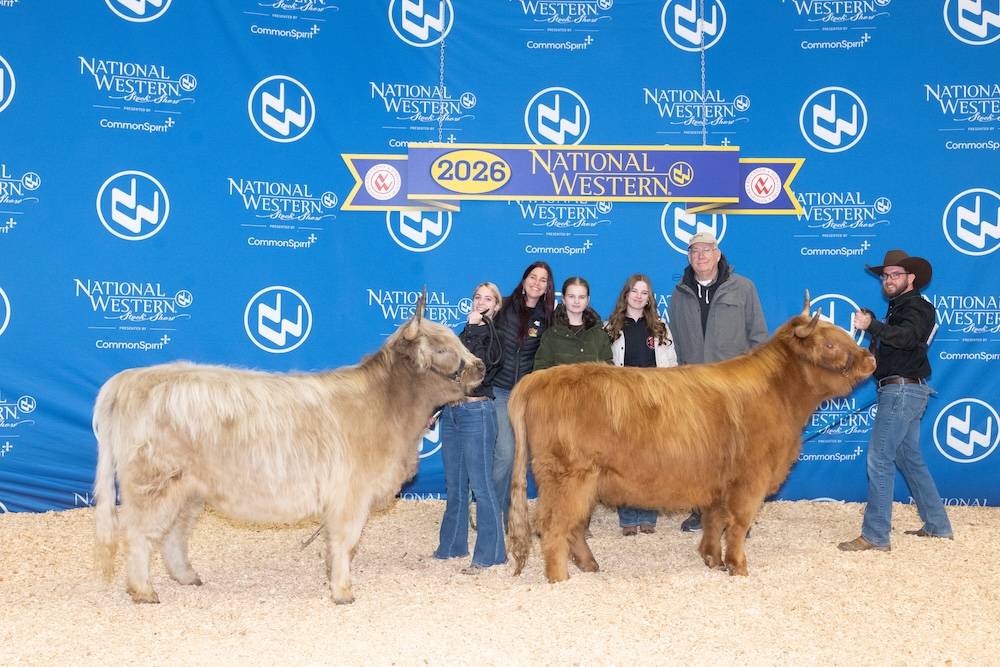
Her daughters are part of it too. Eva, Charis, and Maisie all work on the farm. They halter break calves, clean troughs, rebuild fence, and help with bottle babies. Heather's oldest is at college now and has been working the farm since she was 13. She's majoring in biology and environmental studies with a conservation concentration and is spending this summer in Yellowstone preserving native medicinal plants. The middle daughter, Charis, comes along on sales and handles agritourism events. She's the gregarious one. The youngest, Maisie, works the farm store behind the counter at 11 years old.
Two of Heather's daughters have been training bulls since they were teenagers. When someone asks whether the bulls are good around kids, Heather sends a video of her girls putting a halter on one and taking it for a walk.
"Using your child to market animals," she says, laughing. "But it's also a great indication of the animal's disposition."
Why They Halter Break Everything
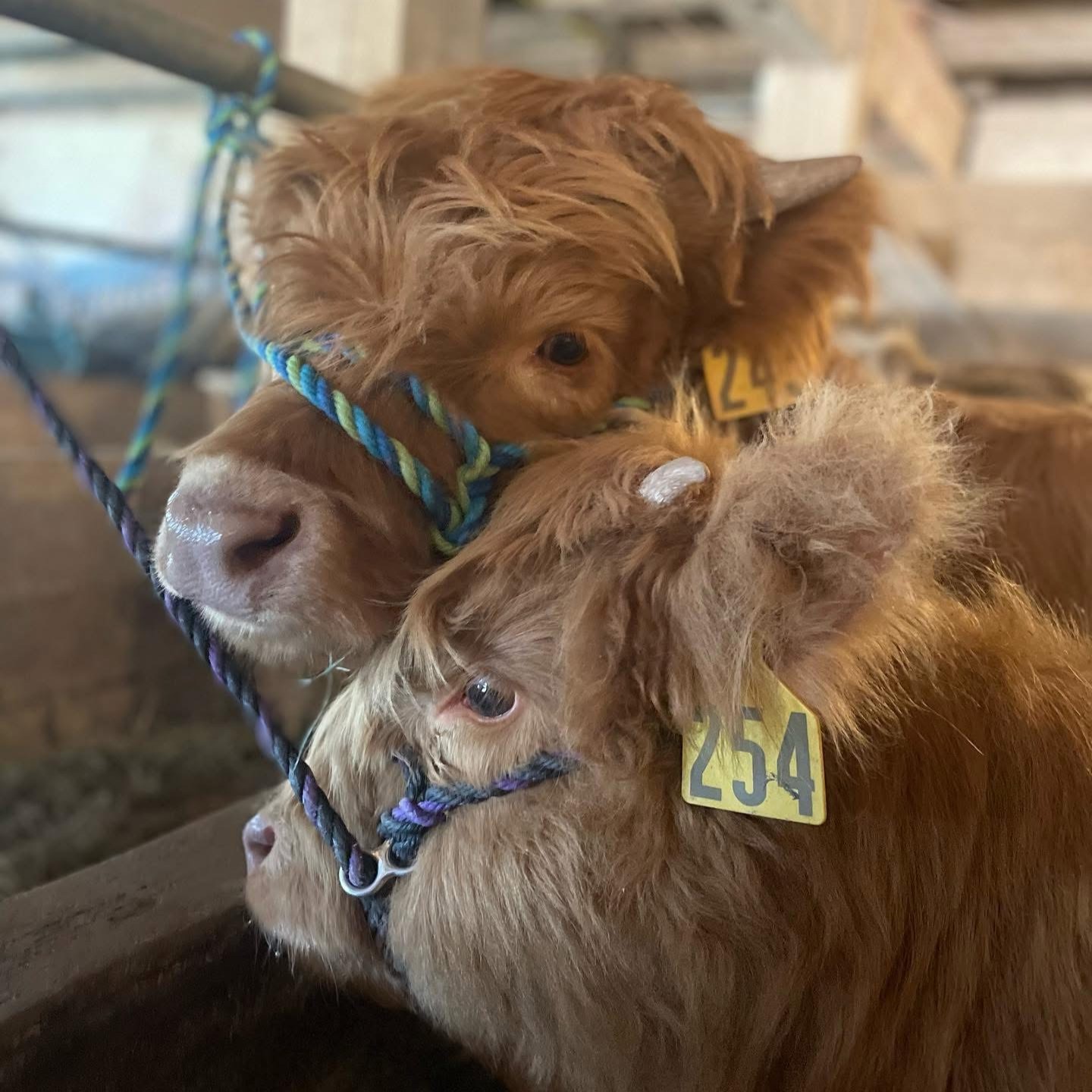
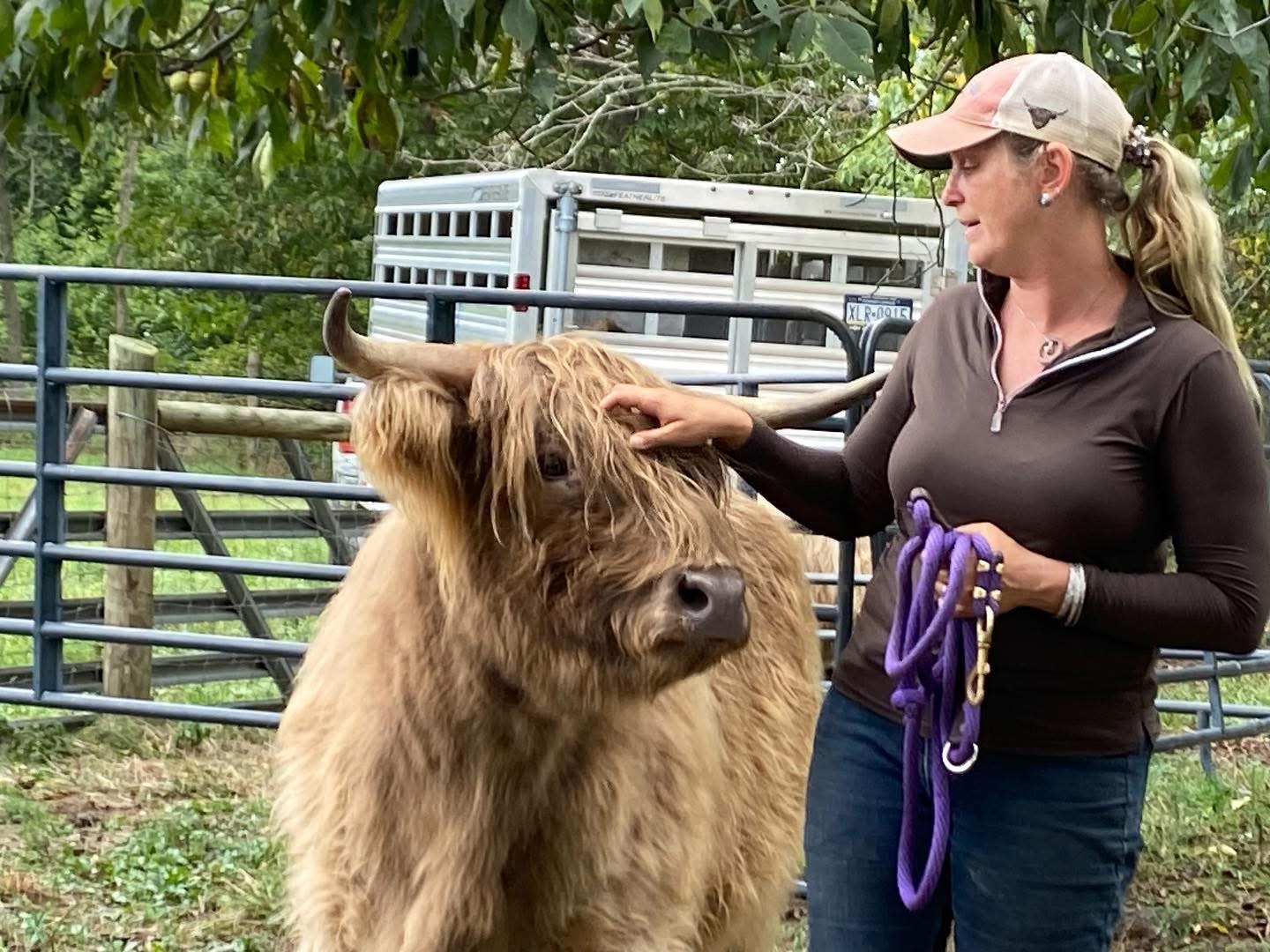
Sheppard Farm on Apple Hill halter breaks all their heifers and bulls, not for the show ring, but for the animal's sake and the buyer's
The thinking is simple. Heather wants the first halter experience to be a positive one. "God forbid they have a calving incident or an injury when they're full-grown. If they have to have a halter put on, I don't want them to panic. I want them to know, this human is trying to help me."
They've had older cows they couldn't halter break. Lassos over the horns during difficult calvings. It's harder on everyone: the cow, the vet, the people. The answer was to make the work early when it's easy.
The feedback from buyers backs it up. Customers regularly credit the halter training as part of why they keep coming back. Animals that were standoffish at the farm have gone to new pastures and turned into house pets, wanting to be brushed and combed.
Heather also uses the halter training process diagnostically: it tells her about an animal's personality before she decides what to do with that animal. She's put a halter on a few cows, found it was too dangerous to proceed, and moved them into the beef program. "You don't want to sell something as brood stock that is dangerous to work," she says.
A Community of Cows With a Facebook Following
Heather started giving the cows social media profiles as a joke, around 2010 or so. A friend over coffee said the cows all sounded like they needed Facebook pages. She posted about them. They got a following.
That following grew into something Heather couldn't have predicted. When a calf is born, she posts. When an animal isn't feeling well, she posts. When she doesn't post an update, she hears about it from people who need to know whether the calf arrived safely.
This winter, Teenie, a bottle baby who'd been born two weeks early and grown up on the farm's Instagram, turned one year old. The farm opened for a birthday visit. The number of people who came specifically to pet Teenie on the head and feed her a fig bar was, by Heather's account, astonishing.
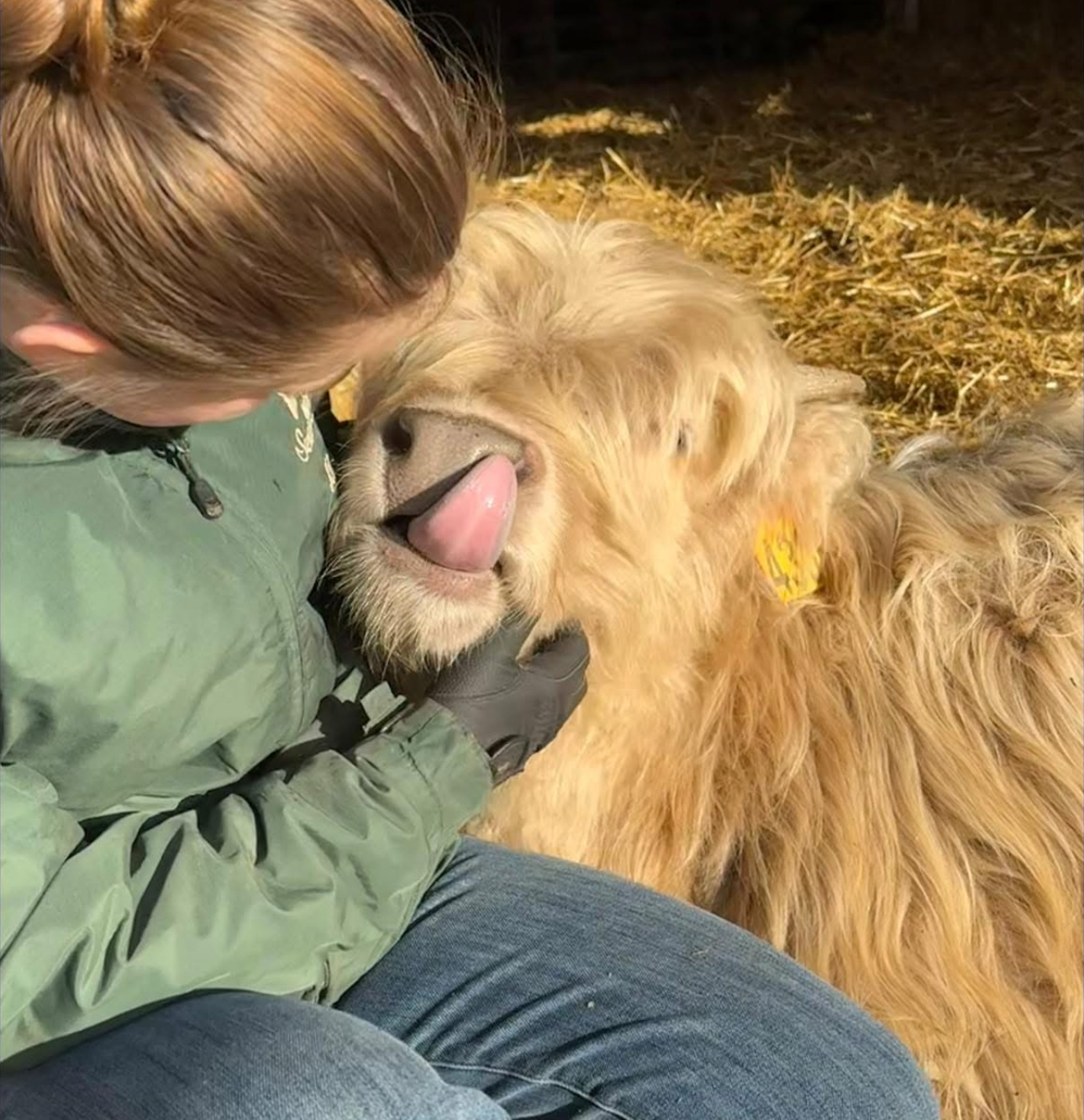
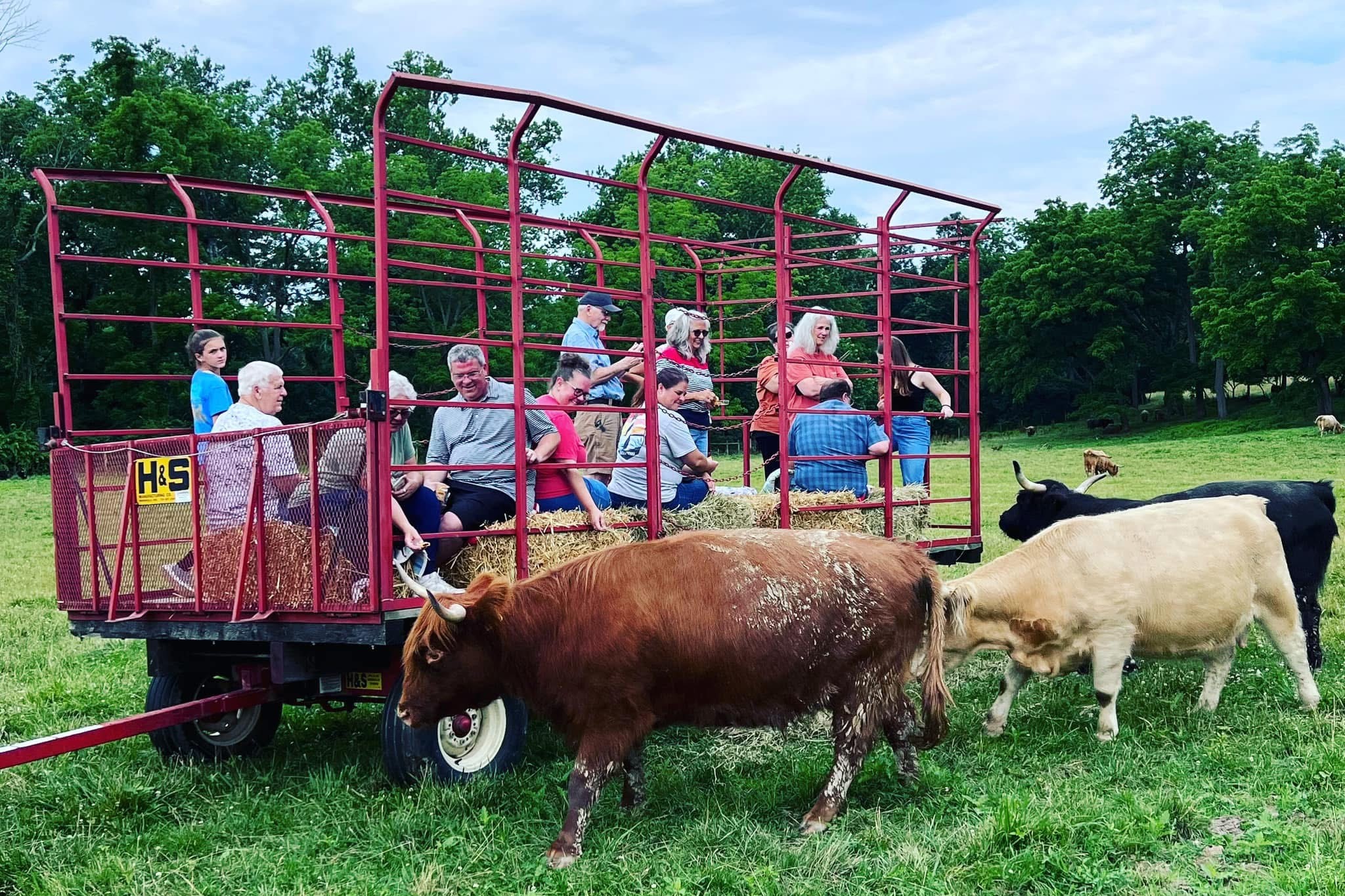
Fig bars are a Sheppard Farm on Apple Hill institution at this point. Peter introduced them years ago: a cheaper version of the Fig Newton from Walmart or Aldi, bought by the case. The cows know what a sleeve of fig bars means. When the farm hosts hay wagon rides for the community, every person on the wagon gets sleeves to pass out. The entire herd comes running.
"Everybody gets the giggles feeding cows," Peter says. "It works out really well."
Heather has written to Fig Newton to propose a sponsorship. No response yet.
The Gatherings, the Work, and the Next 50 Years
For their 50th anniversary, Sheppard Farm on Apple Hill hosted the American Highland Cattle Association's National Gathering on the farm in June. The has speakers like Joel Salatin from Polyface Farm on pasture management and extending hay days; Michelle Miller on connecting with customers online; and Toni Filippone from MasterGrief, speaking on farming mental health, a topic Heather feels strongly is underaddressed.
"Farming has a lot of mental health issues that are under-discussed," she says. A lot of new producers leave the industry between years three and five. Calving loss, crop loss, hay prices, not knowing how to find customers. Heather wants the gathering to arm people with tools to get past that hump. Celebrate 50 years by helping others make it to year 10.
The farm is open once a month for their farm store, with agritourism events layered throughout the year. Heather's goal for the next chapter is she wants to open more often, reach more customers, and place more Highlands in the right hands. When someone reaches out wanting to know what's available, she sends them to their Hired Hand powered website first so the conversation starts in the right place. Find Sheppard Farm on Apple Hill at www.sheppardfarmonapplehill.com.
This article was written based on a podcast interview on From the Pasture with Hired Hand. Listen to the full episode wherever you get your podcasts, or learn more about breeder websites at hiredhandsoftware.com.