by
Hannah Farber
| Jun 16, 2026
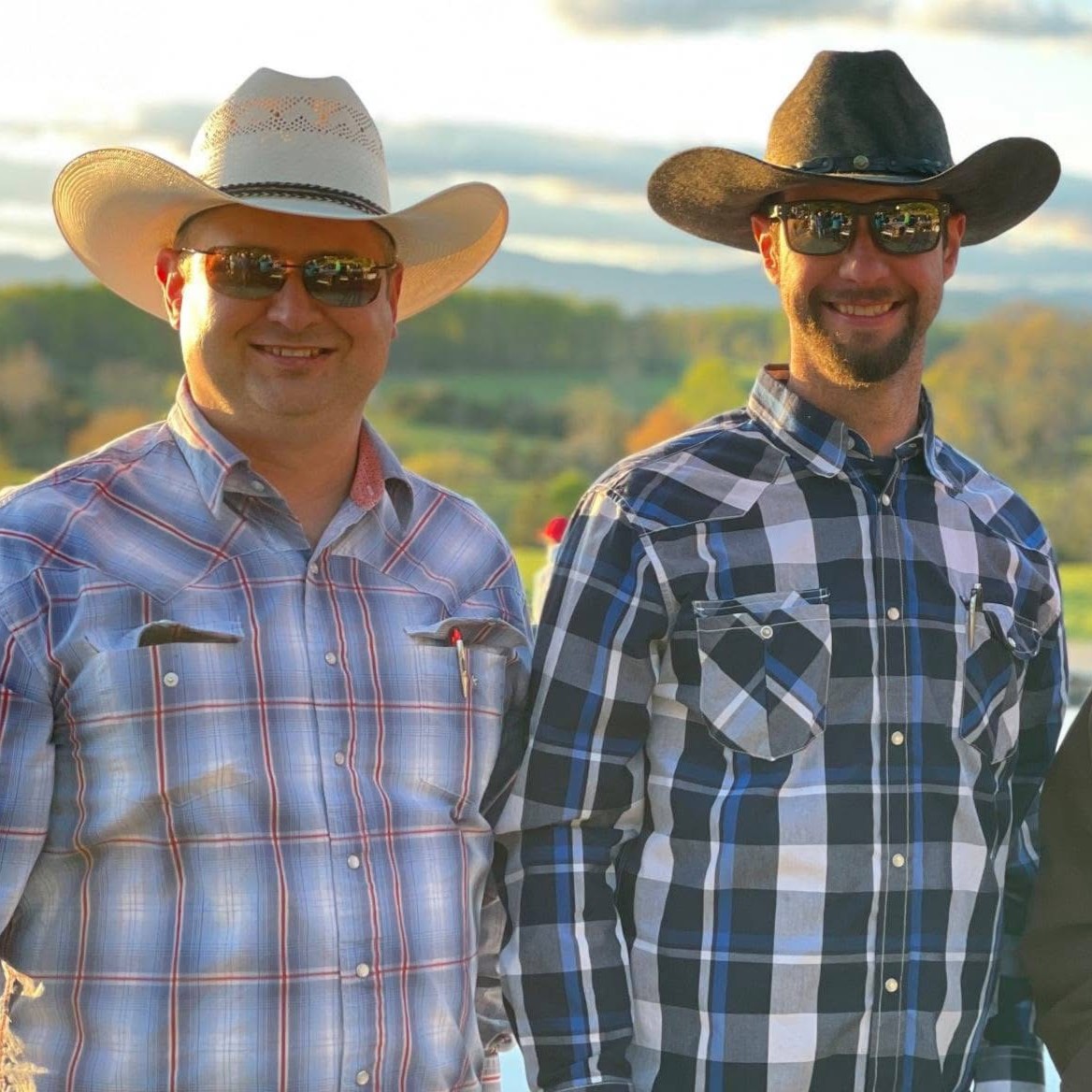
It was 2013, and Dave Pine had just bought property in Northeast Indiana. The place happened to come with pastures, waterers, and fencing left over from a thoroughbred operation, but Dave had no plans for animals. Then his brother Luke and his cousins, already looking to buy a few Longhorns as pasture ornaments, took advantage of his absence.
“Since Dave wasn’t there to vote the opposite direction, we proceeded with getting a heifer and a steer,” Luke says. “Just for yard ornaments, basically.”
Dave came home to find Longhorns in his pasture. Once he got over the confusion, he decided they were pretty neat. That was the beginning of Pine Brothers Longhorns.
From Yard Ornaments to a Breeding Philosophy
The heifer and the steer made the brothers curious, and curiosity sent them down a rabbit hole that ended at the Hudson Valentine Sale in Bowling Green, Kentucky, five or six hours from home. Dave and Luke made the drive not knowing anyone, not knowing what a high-dollar cow even looked like. Then M Arrow Cha-Ching sold for $60,000.
"When we saw that happen, we were looking at each other like, whoa, what's going on here? This is cool." They bought their first registered heifer that weekend from Bill and Suzanne Torkildsen.
That sale opened a door. Dick Lowe, the Great Lakes Texas Longhorn Association, a network of Michigan breeders who welcomed them in. And somewhere in all of it came the word that now anchors the program: Arête.
It is Greek, and it translates roughly to excellence, virtue, becoming the very best version of something. For Pine Brothers Longhorns it is not a tagline. It is the standard every animal has to clear before the brothers decide whether she stays or goes.
What Arête Actually Means in a Pasture
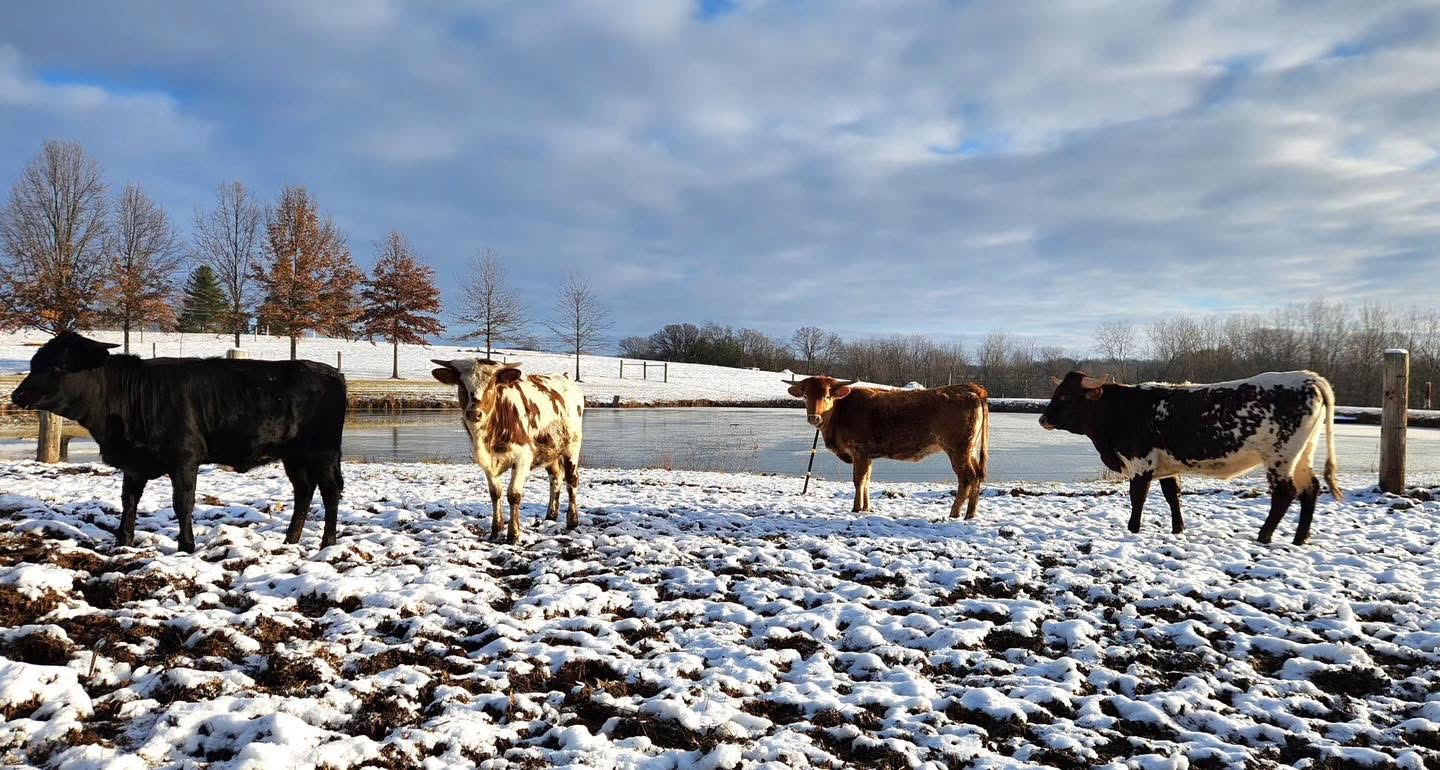
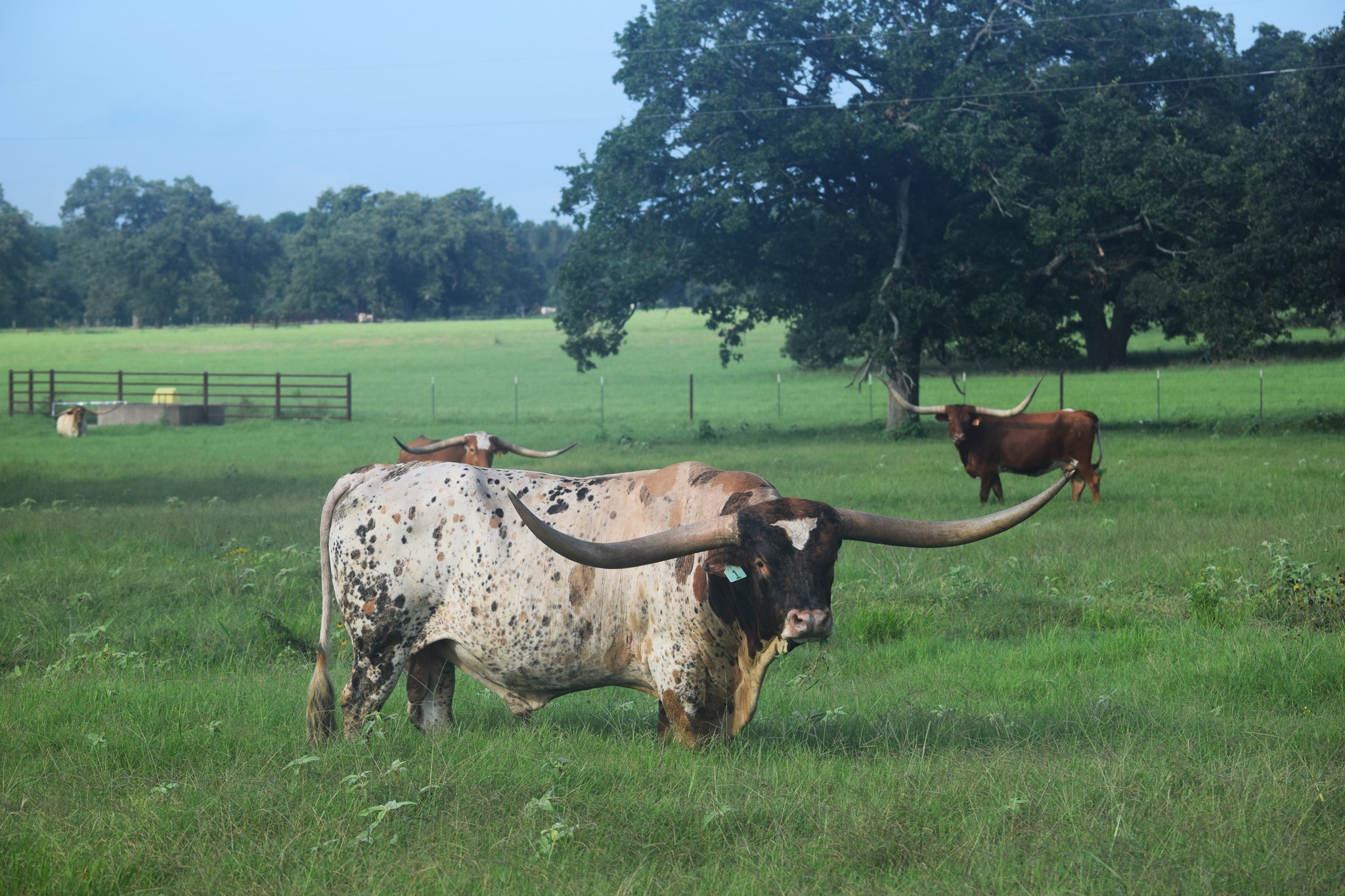
The Pine brothers are precise about what they are building. They are not chasing one trait. Not just horn length. Not just color. The complete animal, consistent from one mating to the next.
"To me, what we're trying to breed at the end is we want to be able to market our animals, period," Dave says. "We want to enjoy what we're looking at out in the pasture. We want something everybody's going to come and look at and enjoy while being functional."
That means culling honestly and early. The strong beef market has made the math easier in recent years. The harder part is the temperament between two brothers. Dave is quicker to cull a cow that is not performing. Luke wants to give her another season to develop.
"It's always a struggle every month," Dave says. "All these animals are getting better and better. What was great 10 years ago is probably still pretty good, but what was okay then is not good at all now."
One heifer in particular taught them patience. She was a slow starter, and Dave wanted to move her, but Luke said to hold on. A year later she had become one of their nicest animals. "You've got to remember there are circumstances, even an animal that produces very well, that may cause a calf to get slow," Dave says. "We try to temper each other with making sure we're making thoughtful decisions and not just off the cuff."
The Genetics They Keep Coming Back To
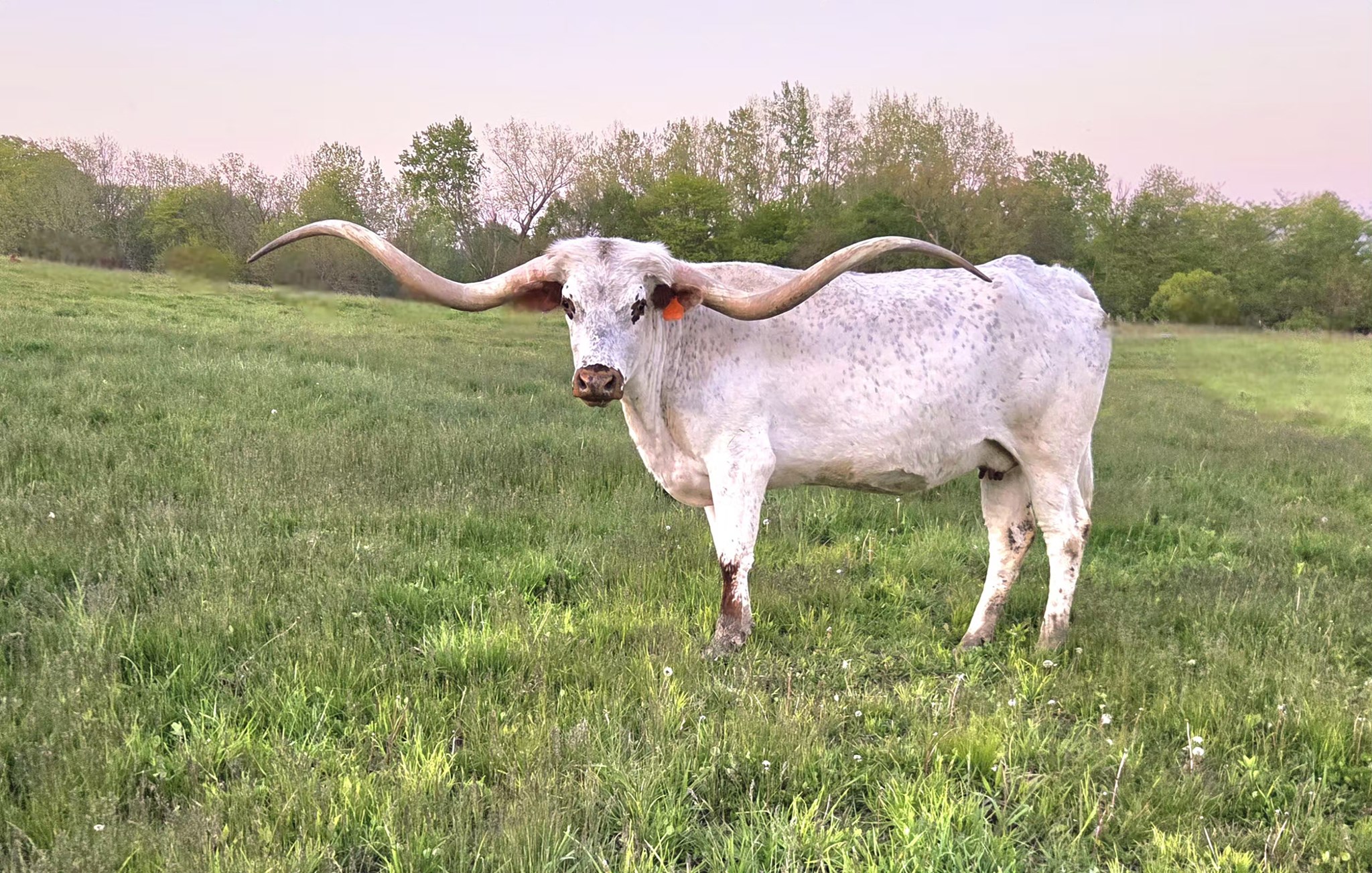
Two pedigree lines anchor the program. The first is built around a cow named Dunn Bravo Celebrity, now 15 years old. They bought her at the Legends Sale knowing her track record across multiple bulls, and she has lived up to it. Her daughter out of HL Higher Ground delivered. Then she hit again with HL Jango. That foundation is still producing today, including a young Line Drive bull calf Dave calls fantastic.
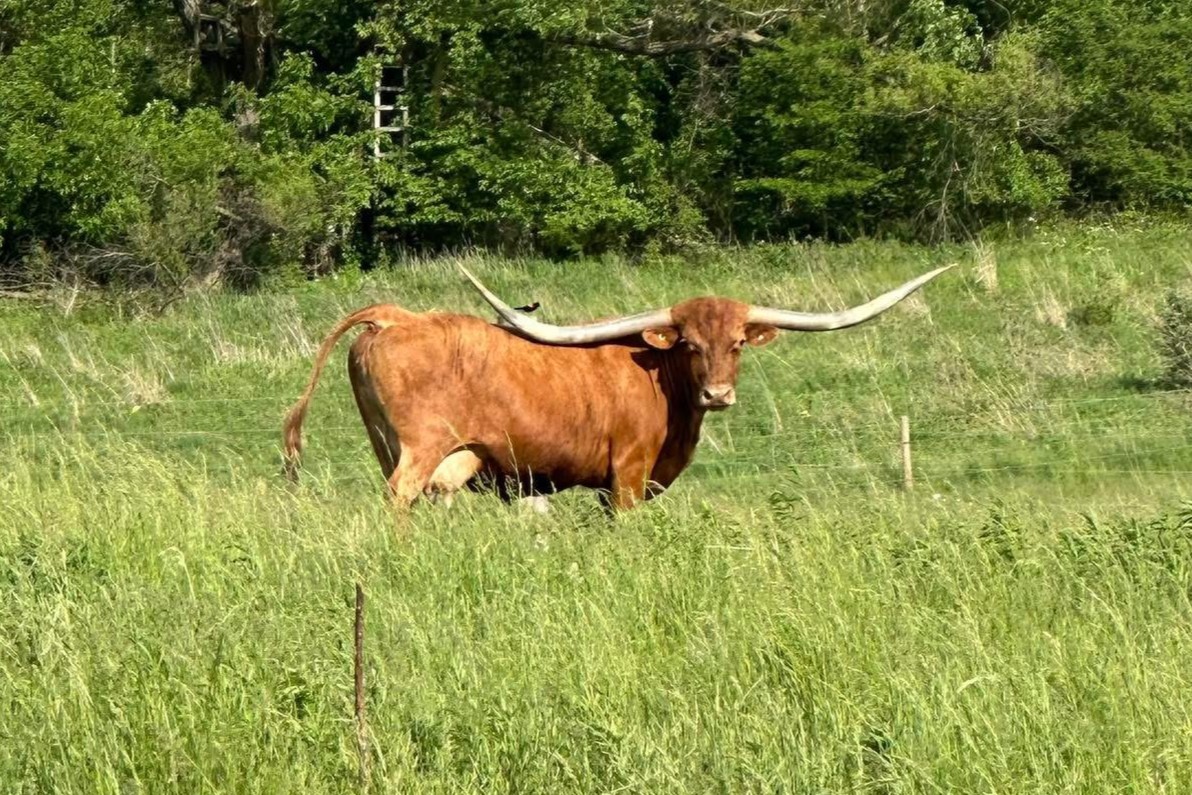
The second line runs through their crosses with Brazos Tuff Cowboy 901, a bull they picked up after traveling to Texas and doing ranch tours alongside work trips. He brings Alphie genetics that seem to work across a wide range of cows.
The early lesson, the one Dave freely admits was a mistake, was chasing early horn growth. "We got a bull because he was kicking it out early, but he wasn't a long-term goal for us." The genetics that they have come to trust are the ones that produce consistently when mated different ways, not the ones that produce one superstar and then go quiet.
"The real genetics, the longer-term genetics, have just kind of come through rather than the short term," Dave says.
25 to 30 Head. That's the Number.
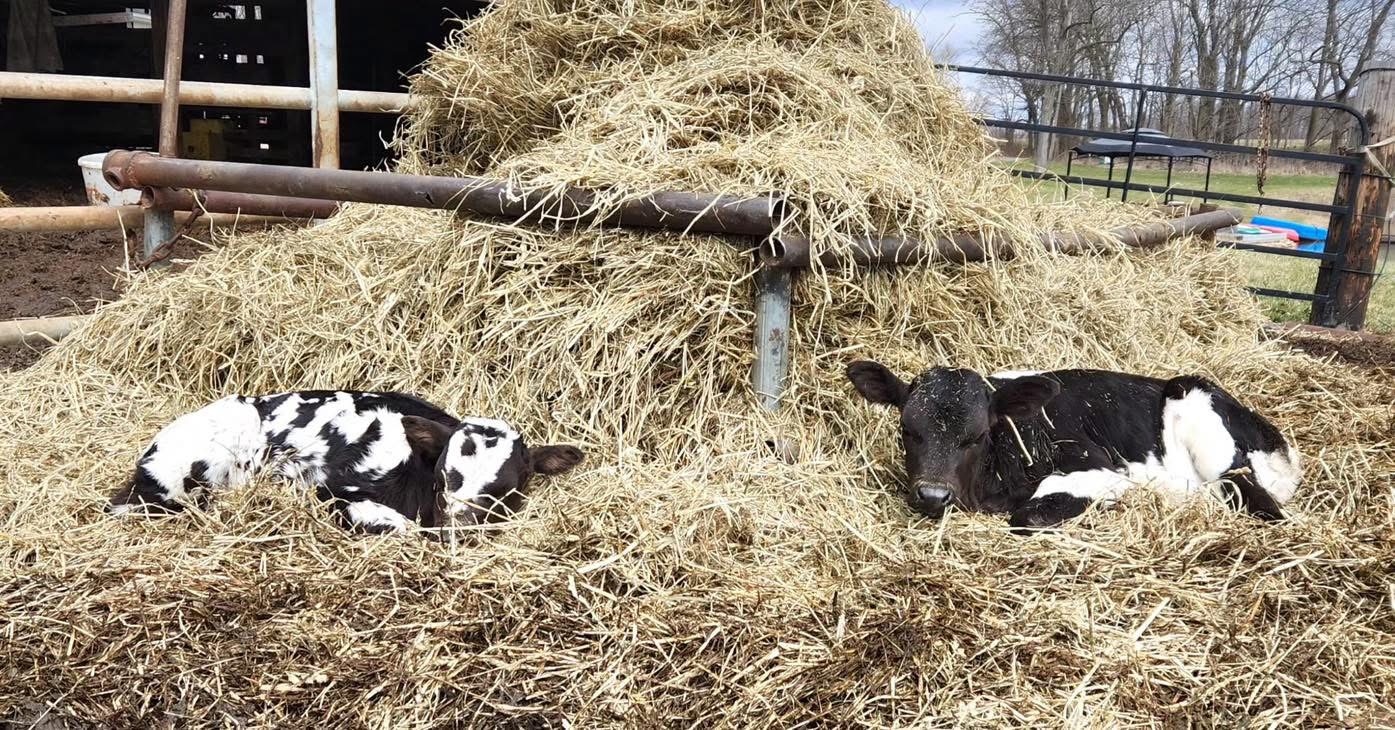
Pine Brothers Longhorns runs 25 to 30 head, and that number is deliberate. It is what their pastures support without leased ground, what their facilities handle, and what two brothers with full-time jobs and kids in baseball can realistically manage.
"We can brand our whole year's worth of calves in about two hours. If we need to work the whole herd and deworm them and stuff like that, two hours," Dave says. "So if we have games in the afternoon, typically we can get it done in the morning."
They rotate shifts on daily chores. Auto waters with heat make winters manageable. High traffic pads and new fencing have cut down the friction further. They run cattle across three locations, all within 40 acres, and they have built the whole operation to be manageable by one person when the other has a kid's game.
"It's not so much that it makes it a chore when you're doing chores," Dave says. Which is exactly the line Pine Brothers Longhorns is trying to hold.
Staying Visible from Northeast Indiana
Geography is the brothers’ biggest obstacle. Northeast Indiana is a long drive from most major Longhorn events. The Fort Worth Stockyards Sale has become their anchor, and they hit the Bluegrass Sale when they can, but they cannot count on being seen at shows to move cattle.
So buyers find them online instead. One came to them through the search feature on their Hired Hand powered website, tracking a specific genetic package through the system until it led to a program in Northeast Indiana they would never have stumbled on otherwise. “Through the website and tracking it down, they found us,” Dave says. “We don’t know a lot of folks in the industry. It’s too big, it’s too vast. We’re not able to get to all the sales and events. But I think that’s it.”
Dave notices it from the other side too. When he is the one buying, an animal without that information online is simply harder to research. “To have that information at your fingertips so you can really quickly look and research is invaluable,” he says.
This article was written based on a podcast interview on From the Pasture with Hired Hand. Listen to the full episode wherever you get your podcasts, or learn more about breeder websites at hiredhandsoftware.com.