by
Hannah Farber
| Jul 07, 2026
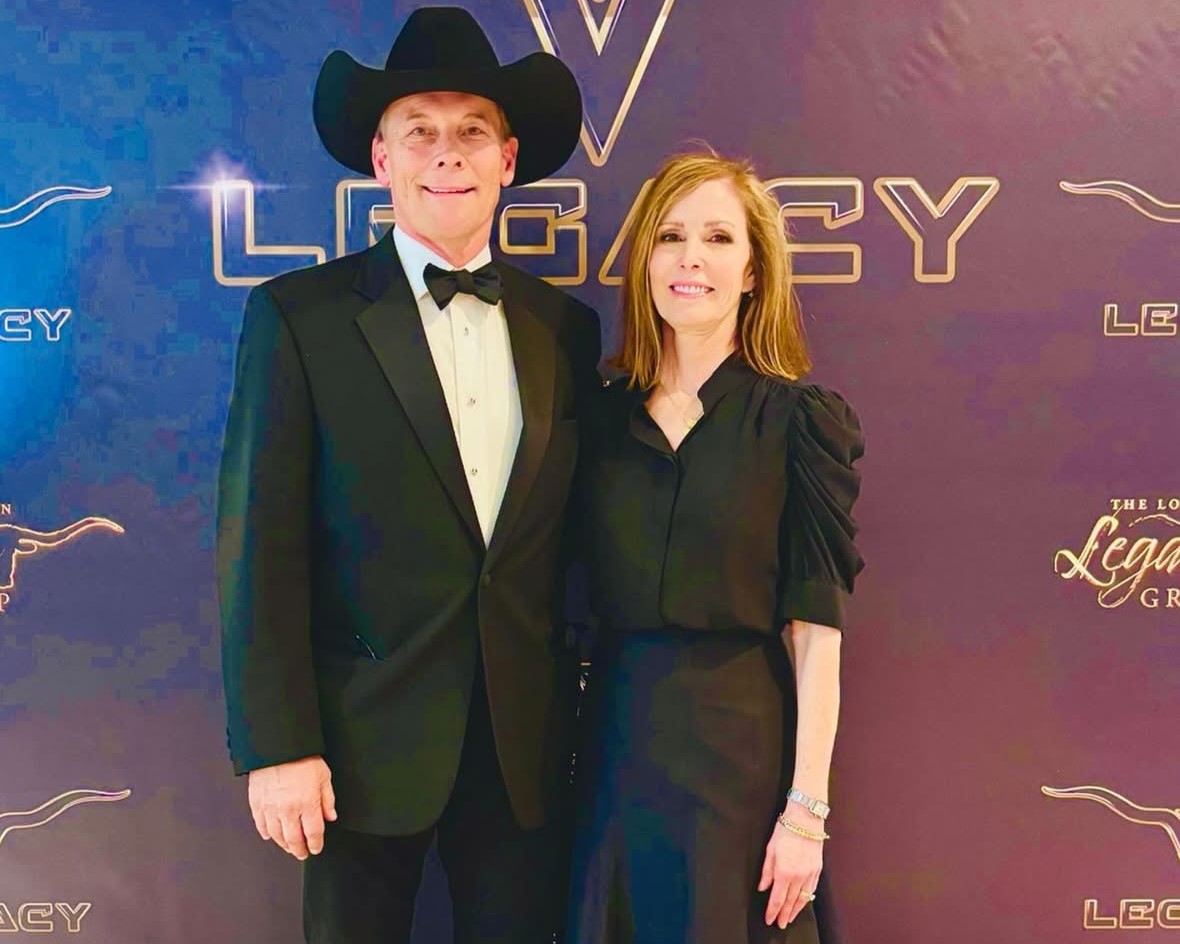
Marshall Merritt came home with Angus.
He had grown up on a farm in Decatur, Texas, where his father raised racehorses and Angus. He knew what he knew. When they bought their ranch and needed an agricultural exemption, buying Angus made sense.
Leslie Merritt had one question.
"Where's the fun in that?"
She wanted animals they could have a relationship with, animals their grandchildren could interact with and pet. She had grown up in the city and had no particular attachment to Angus. She started researching online and found herself in a world she had not known existed: registered Texas Longhorns.
Finding Their Way In
The path to their first animals ran partly through Google and partly through luck. Marshall found a breeder first, but the sales pitch was too hard to trust, so they moved on. Then Leslie searched again and found KDK Longhorns, run by Janet Harmon and Kent Mays. She recognized Kent from their time at the University of Texas. He had been in the same service organization as Marshall.
“They did us right by not taking advantage and selling us all their low-end animals,” Marshall says. “The two we still have are two of our very best.”
He gives the credit plainly. “I’m going to do a shout out for y’all’s search engine feature,” Marshall says. “Because if it hadn’t been for that, I wouldn’t have found anything. I just Googled registered Texas Longhorns and all these local ranches came up.”
From KDK they went to their first auction, the Hudson Valentine Sale. They sat at an open table and ended up next to Brittany and Josh Gentry, who they had never met. Brittany spent the entire sale calling each animal’s price before the hammer fell. She was right, again and again. Marshall came home shaken.
“I just can’t do it as a hobby,” he told Leslie on the drive home. “I’m too competitive. I just can’t sit back.”
Three Words. Therapy, Beauty, Respect.
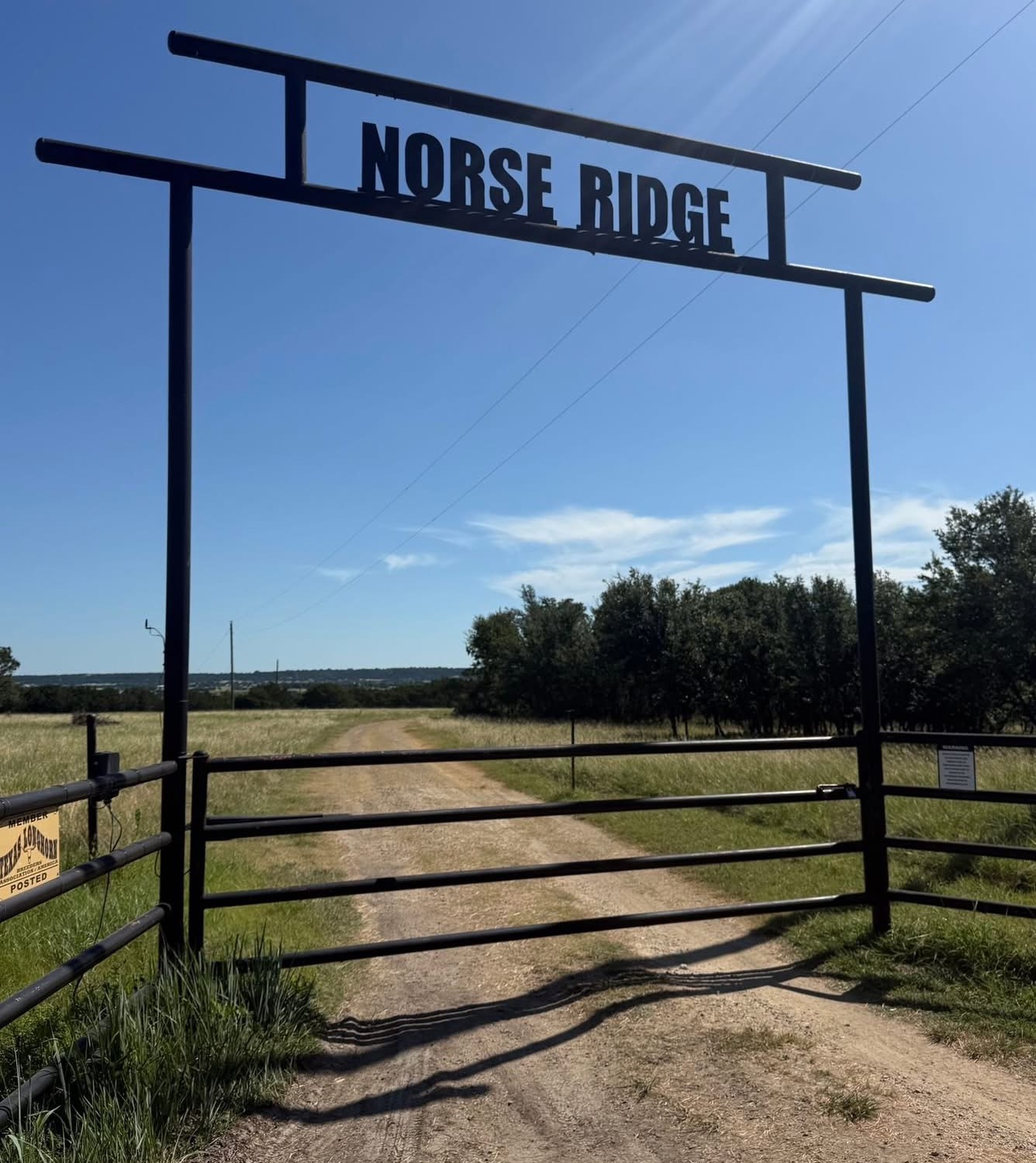
Norse Ridge Ranch is organized around three words, and the words reflect something real about how the Merritts experience their time there.
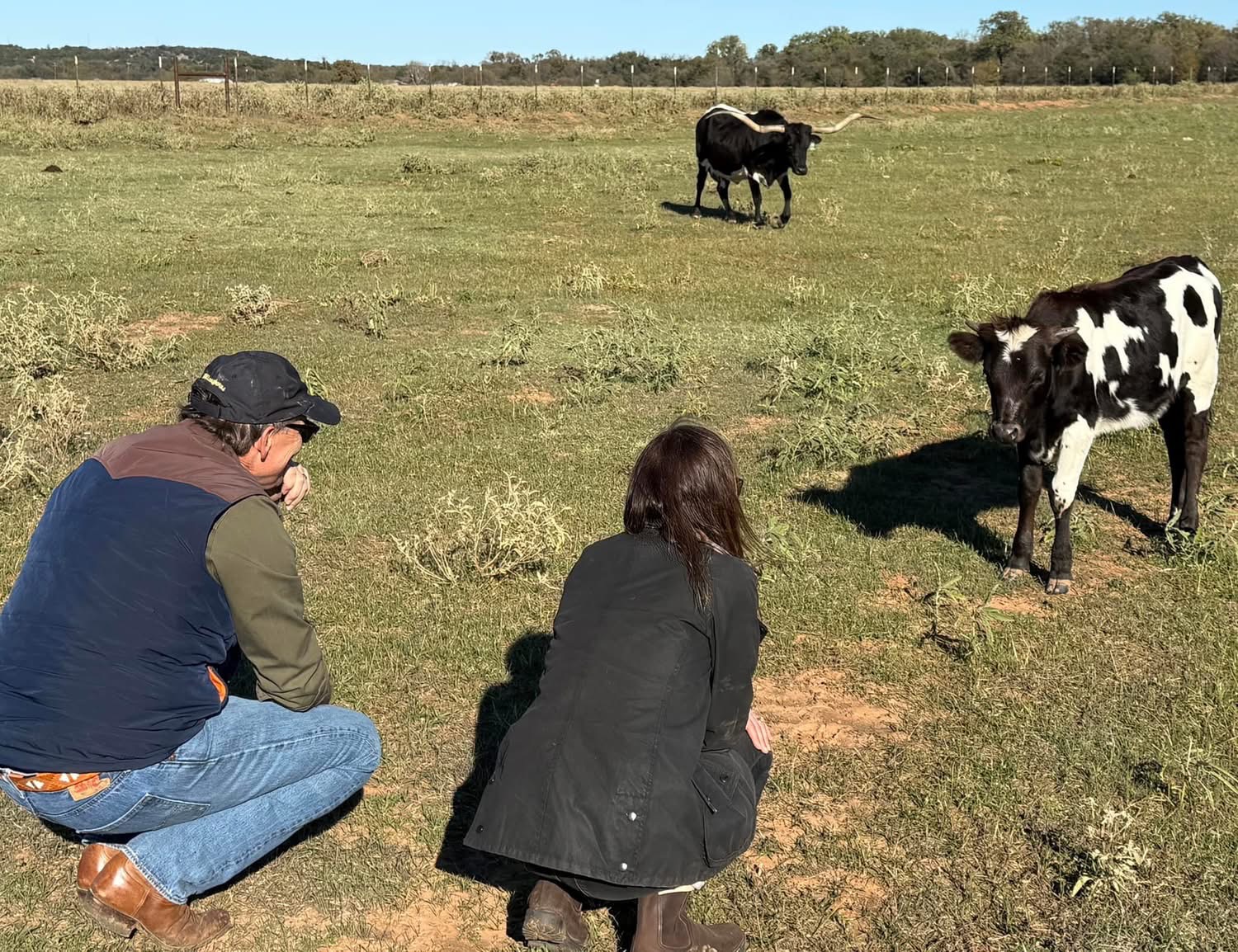
Therapy is the simplest to explain and the hardest to overstate. Two hours from Dallas, every weekend, Marshall and Leslie unpack, and then Marshall goes straight to feed the animals because he wants to see them.
"Whatever baggage you've packed in your brain just melts away," Leslie says. "It's no longer there."
She makes a less expected observation too. The ranch has done something for their marriage. Thirty-six years in, they found a shared passion they did not know they were looking for. “This is what we have in common,” Leslie says. “It’s just so much better than sitting on the couch and watching Netflix. We can talk about Longhorns and it’s really fun.”
Beauty is where Leslie and Marshall diverge, and the divergence makes the program stronger. Leslie is drawn to color, black specifically, and to the horn set. Marshall is focused on pedigree and structure. When they both look at the same animal and immediately agree she is the one, they call it special. The cover cow on their website, nicknamed Dot and formally known as Fast Iron, is one. HL Heidi Ho, a recent purchase, is another.
"We've never done that before," Leslie says of immediately agreeing on HL Heidi Ho. "He's usually not but we both said, heck yeah."
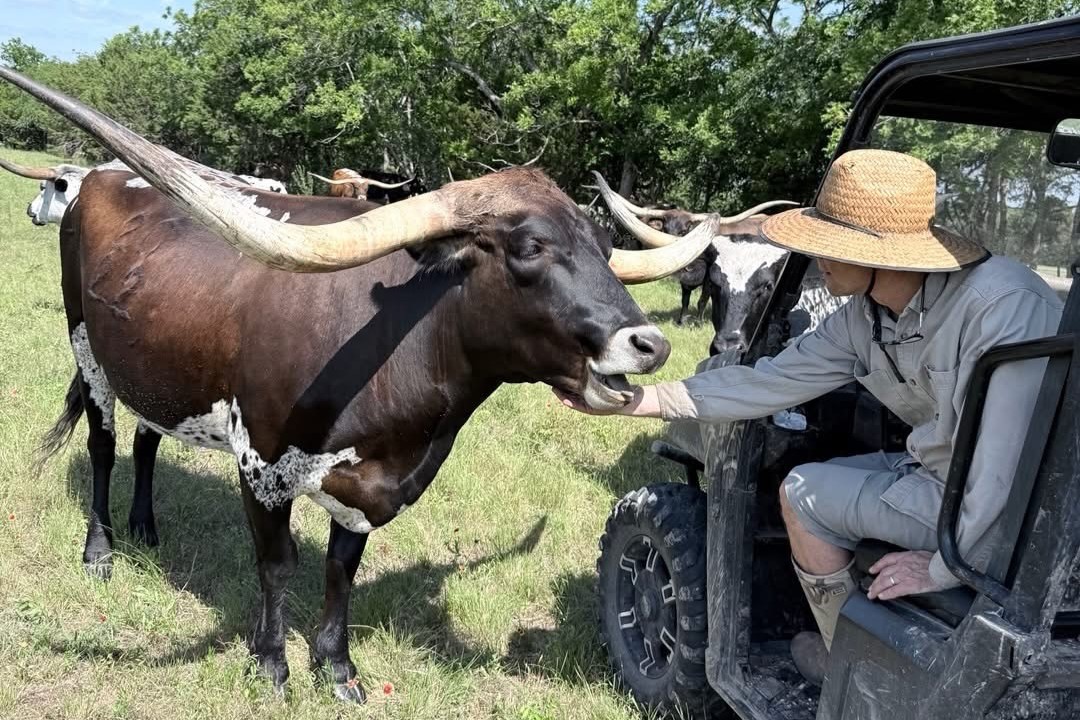
Respect runs through everything. The Merritt's will not breed for horn at the expense of an animal’s ability to hold her head up comfortably. They will not sell animals that do not meet their standards to buyers who might not know the difference. They believe these animals, having been on this continent for 400 years and become what they are, have earned a regard that some commercial operations never give their livestock.
“Animals should be respected because they’re counting on humans to take care of them,” Marshall says. “It really boils down to that.”
Irish and the Black and White Calves
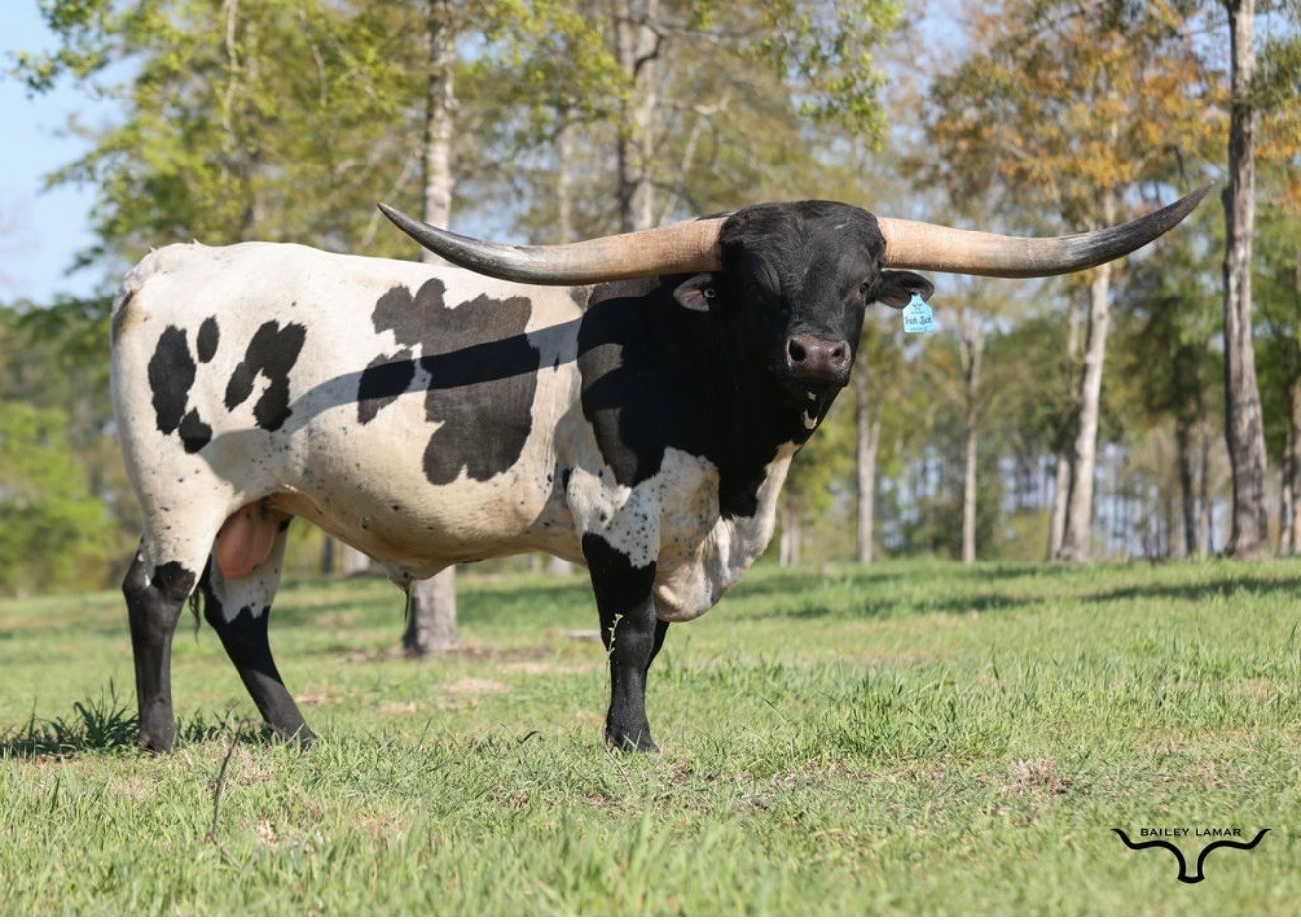
Norse Ridge Ranch's herd sire is M7 Irish Luck, a bull the Merritt's bought into as partners with Wayne and Joanna Manning. The road to that partnership started with a bad first year of AI, a 1-for-12 run that cost them most of a breeding season. Then Leslie remembered an ad Brittany Gentry had built showcasing Irish.
Marshall called Wayne Manning. He did not expect much. Wayne called back and said yes.
"They did not have to let us in on him," Leslie says. "I hope other breeders will do that with new breeders. Because it helps make the industry stronger when the big breeders will let the little guys in on good bulls."
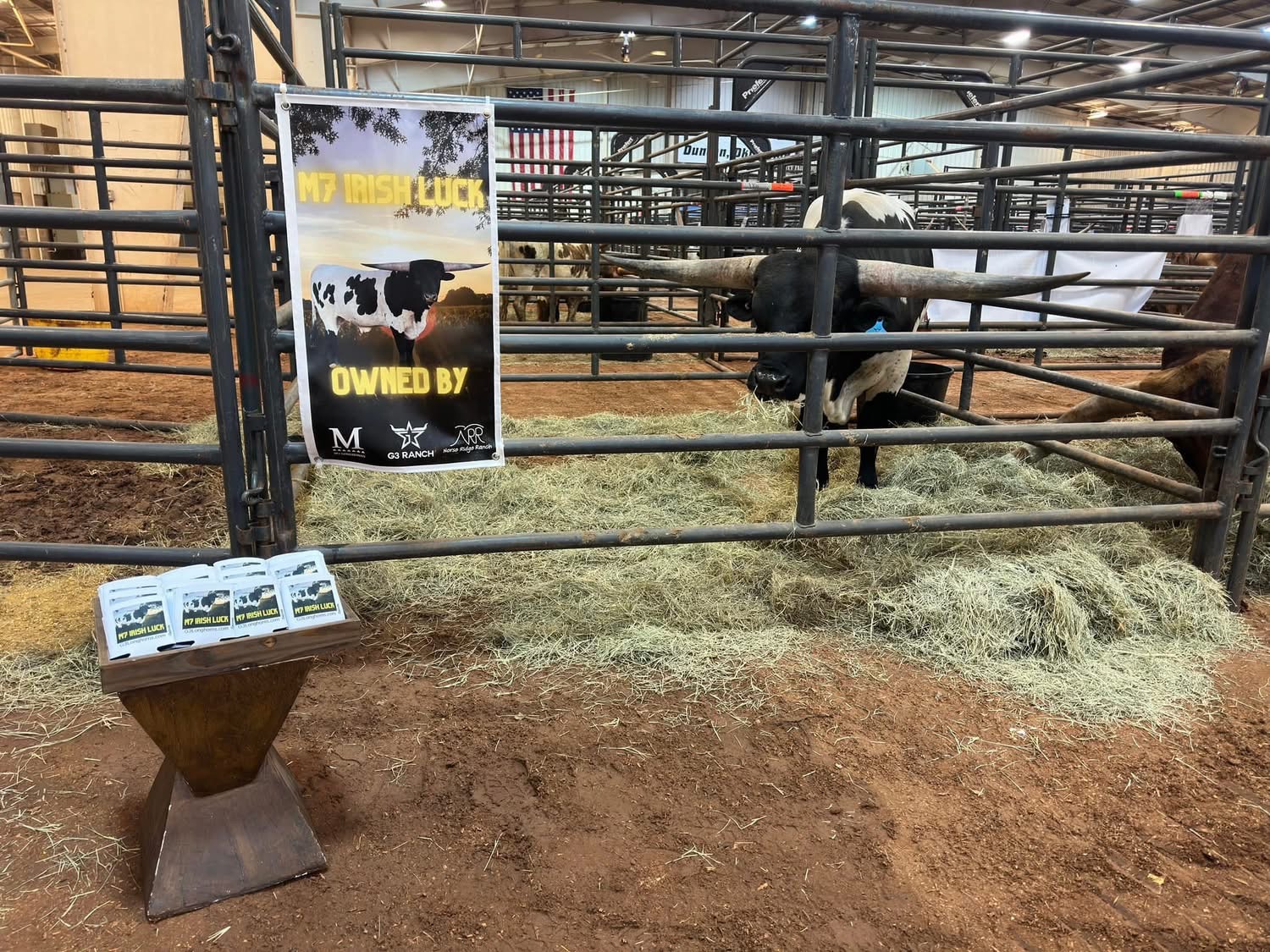
Irish has delivered. He is a true black carrying the dominant ED gene, confirmed through color testing, and his calves come consistently black and white or tri-color. He throws what Leslie calls the Irish hip, a distinctive shape showing up in his offspring. He is also, for a bull his size, extraordinarily gentle. Leslie describes him resting his head on a cow’s shoulder while courting, a big animal who does not push anyone around.
“He calms the girls down,” Leslie says. “They can get really catty. And he just walks up there and they know it.”
What Keeps Them Visible
Leslie’s research habit has not slowed down. She studies pedigrees, tracks bloodlines, and works through the catalog before every sale, doing deep dives into specific genetic lines and counting how often a given bull shows up in the background of an animal they are considering. The same search that brought Marshall to KDK in 2022 now points the other direction, hosting Norse Ridge for the next buyer running the search Leslie once ran.
They still will not buy sight unseen. When they go to a sale, they walk the pens first. But the research narrows the gap between what they can know before they arrive and what they see when they get there.
This article was written based on a podcast interview on From the Pasture with Hired Hand. Listen to the full episode wherever you get your podcasts, or learn more about breeder websites at hiredhandsoftware.com.